The explanation for putting the period/full stop inside the quotation marks goes back to the early days of printing in Europe, back in the 1500s.
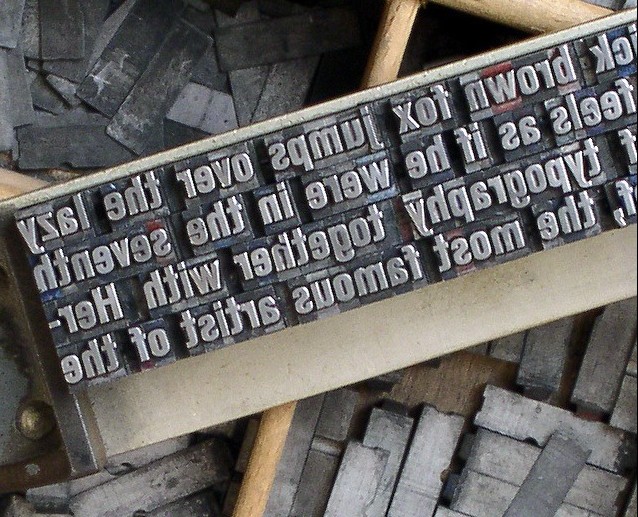
Each character in a printed line of text - letter, number, punctuation mark - came from a separate piece of metal type. All the individual pieces of metal were lined up on a template for printing (like this). The pieces of metal for each character were different sizes, depending on the character on the metal. An "m" was wider than an "i", for example. And, a full stop / period (.) was on a very small piece of metal.
When the punctuation was done as usual, the full stop / period was placed at the end of the line of type, after the quotation mark character. However, in this position at the end, the small piece of metal carrying the full stop would often fall off or even break. Therefore, printers starting putting the full stop before the final quotation mark, to stop it falling off or breaking.
This practice was in place well before 1600, when the first English colonists set out for the American continent.
The English in America and the English in Britain both put the period inside the final quotation mark for the next few hundred years. However, sometime during the 1800s and 1900s, when typesetting was done more on large machines and then computers, the British people went back to putting the full stop outside the final quote. The Americans did not change back.
Therefore, modern British English has the full stop outside the final quotation mark (the "logical quote") while modern American English has the period inside the final quotation mark (the "typesetters' quote").



.metal-piece as wide asA, so that it was not easily broken. Second, it is still weird they came up with the idea of putting.inside"without worrying about other sentences(95% or more) having fragile.metal-pieces at the end. – Jimm Chen Feb 10 '14 at 08:13