1

We _ Harold for three years before he died.

a) knew. b) have known.

Which answer should I use in my exam question? I have doubts, as I want to choose a, but a friend of mine advises me to choose b.

herisson
  • 81,803
wibble
  • 45
  • 1
    Simple Past can work, but Past Perfect is better still. Depends on context and register. – RegDwigнt Sep 26 '14 at 20:51
  • 3
    Both of them are incorrect; past perfect (had known) is what you want. If you're sure you transcribed the exam right, don't take any more exams made up by the same person. – John Lawler Sep 26 '14 at 21:09
  • 1
    @JohnLawler You could also use the past simple, couldn't you? I agree that it is not as good, but it does seem to me to work. We knew Harold for three years before he died. – WS2 Sep 26 '14 at 21:32
  • 2
    It's OK if you want to focus on knowing him for three years as a continuous activity, which is a little odd for a stative verb like know. But the present perfect is right out. – John Lawler Sep 26 '14 at 21:41
  • @JohnLawler Yes. I always tend to think of know in a continuing sense. Sometimes people will say 'I don't feel I know him like I used to', suggesting that 'knowing' needs nurturing in order to continue. But you will agree, I've no doubt, that it would be alright to say: We admired Harold for three years before he died – WS2 Sep 27 '14 at 08:35
  • I'd use 'when'. – Edwin Ashworth Sep 27 '14 at 19:26

2 Answers2

2

As Dr. Lawler pointed out in comments, had known (past perfect) is the correct tense for a continuous activity that started and ended in the past. The simple past (knew) is fine as well, but it is used more often for a discrete event.

See this representation from a previous Question (How do the tenses and aspects in English correspond temporally to one another?):
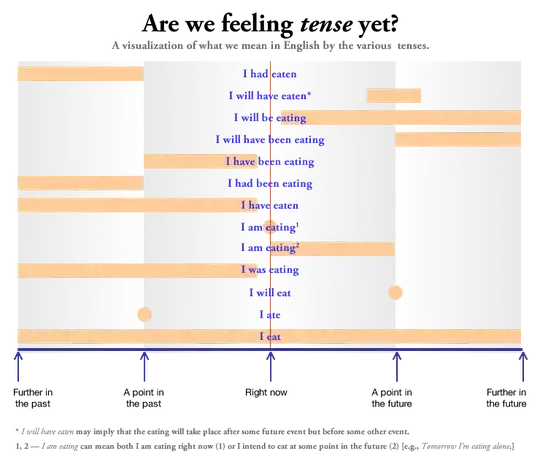
enter image description here

Have known carries into the present.

anongoodnurse
  • 55,278
0

Since he is no longer among us (alive) I would rather choosing "past simple" than "present perfect" because there is no more connection between the past and the present.