2

I'm sure everyone has seen this phrase at the bottom of many e-mail messages. My question is about the combination of punctuation and capitalization.

The capitalization of the first word makes me think this phrase was intended to be a complete sentence, but when we get to the end, there's no period, as you might expect when reading a mere fragment.

Is this widely considered wrong? It feels they are half in the water and half out.

2 Answers2

4

The phrase Sent from my iPhone is a sentence fragment. It is capitalized, as other lonely sentence fragments are. I think of it as a "P.S." after a letter, telling the recipient from where the message was transmitted. The fact that it doesn't have a period matches this.

However, I don't think that it makes much of a difference how this phrase is capitalized or punctuated. It is used as a tagline at the end of messages, and it gets its point across as such.

RegDwigнt
  • 97,231
3

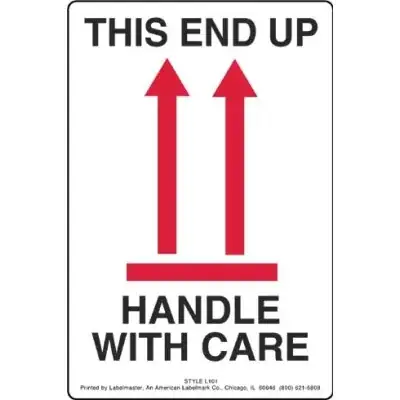
This is an example of the telegraphic style of writing. You see it a lot on signs, and this message is an advertising message, which is a kind of signage. You don't see periods on stop signs, do you?

Other signs:


mmyers
  • 6,181
Robusto
  • 151,571
  • I think it's no coincidence that all those signs use all-caps. These phrases are not trying to be sentences. Nevertheless, thanks for your answer; I like the term telegraphic. – I. J. Kennedy Aug 16 '11 at 23:21