Possible duplicate of: Origin of the 'squigly line' used for quarter note rest?
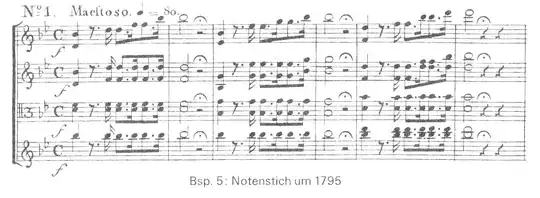
There are several scans of manuscripts (from Corelli to Mahler) linked from that page that show many intermediate forms. It seems to have been a gradual evolution due to handwriting, rather than a dictatorial all-at-once change. In addition, each composer had their own handwriting, of course.
As a whole, they show that the backwards-7 quarter rest gained a 'check mark' on the bottom, in addition to the upstroke and crossbar. The upstroke got slanted in various directions, and the crossbar became curved, which can create a form closely resembling the modern form.
What, unfortunately, hasn't quite been demonstrated on that page is the final step from the modified squiggle to the modern printed form. For that answer, I think you'll have to look at the history of music printing, and see what symbols were being used by the publishing houses, printing presses, and "music typewriters". This page might provide a good jumping off point.
 ) to its current look (
 )?
)?